Who exactly were the Inklings?
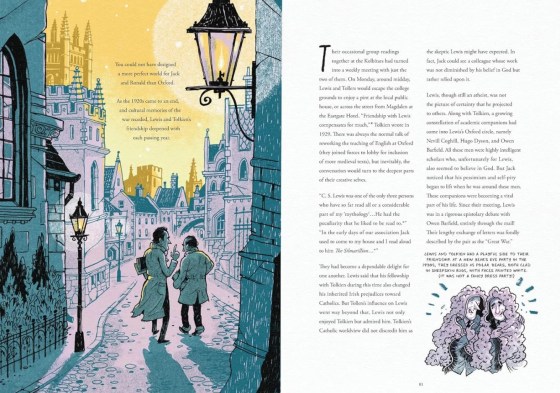
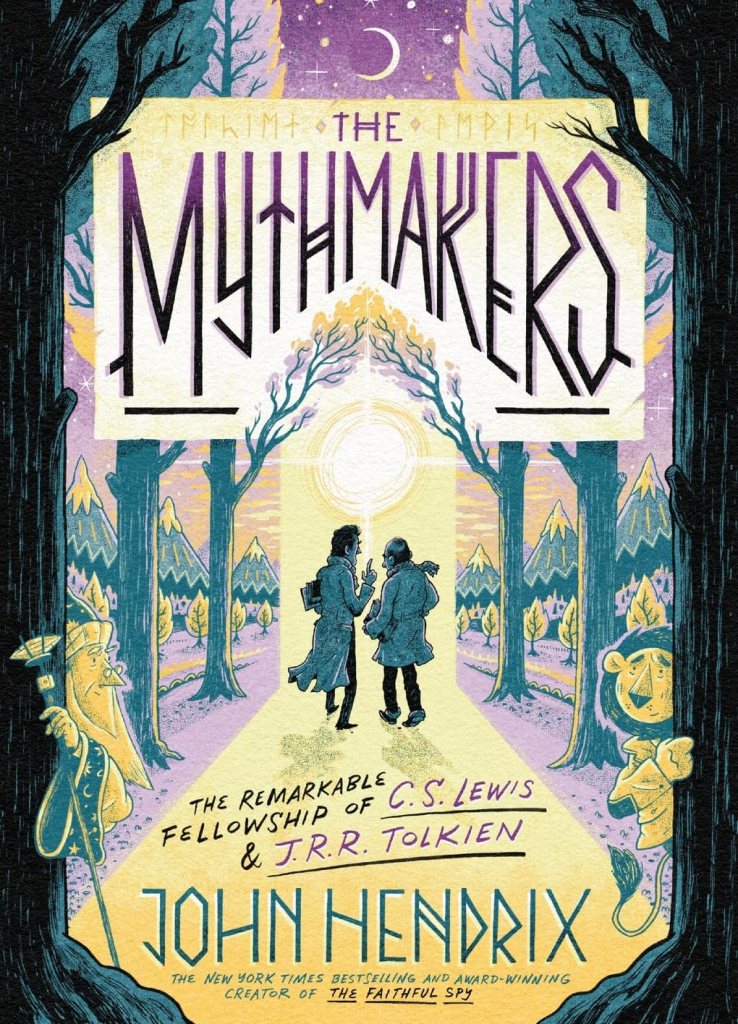
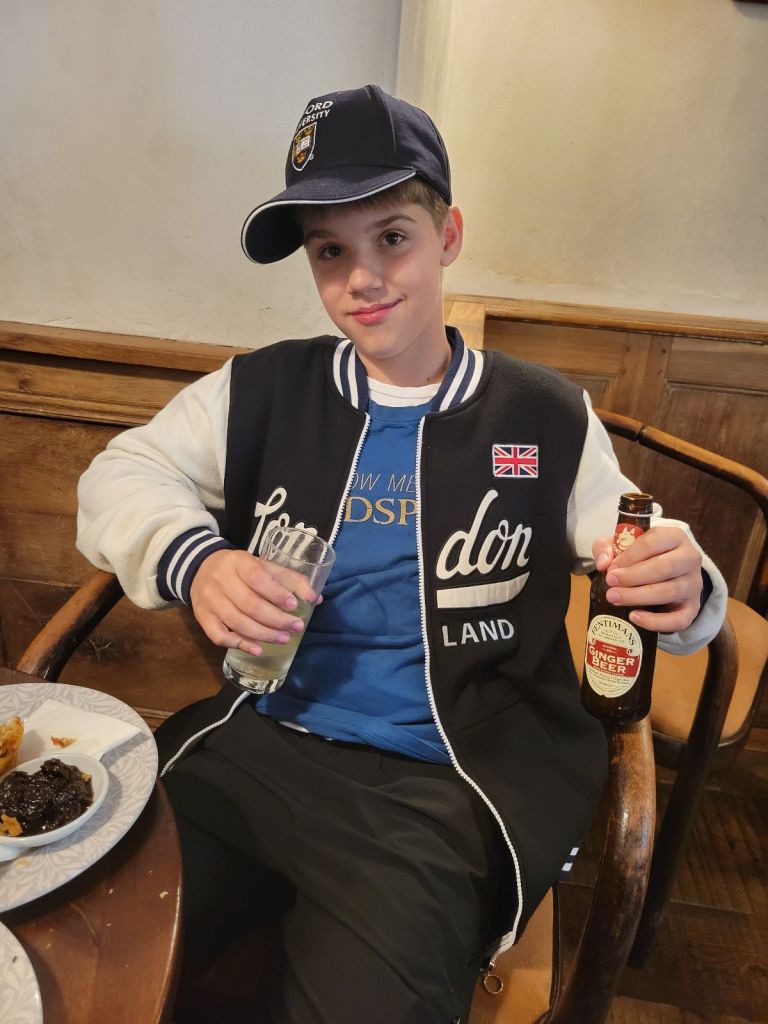
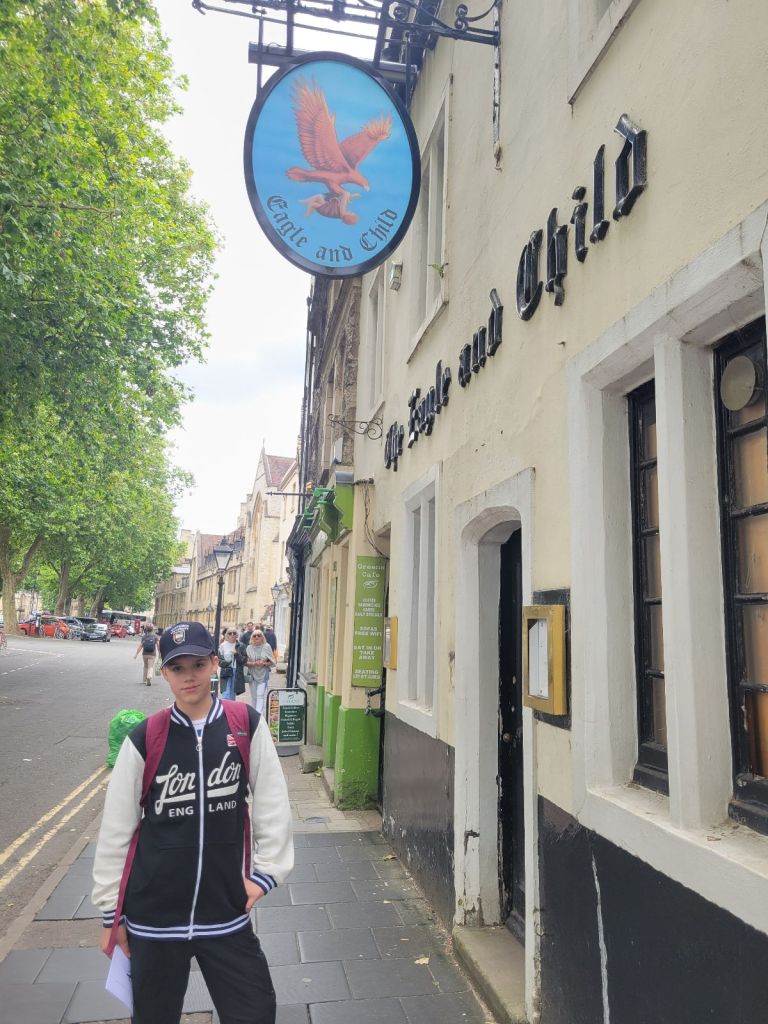
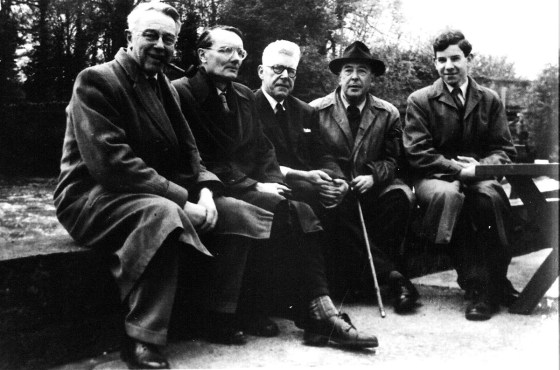
They were a literary group or club in Oxford, England. They frequented two Oxford pubs: The Eagle and the Child, and The Lamb and Flag. There were twelve regular members and frequent attendees of the Inklings.
J.R.R. Tolkien, possibly the most famous Inkling, was born in Bloemfontein, South Africa in 1892. He moved to England at a young age after his father died. He studied at Exeter College, Oxford. He served in World War One and became a professor of Anglo-Saxon at Oxford. He published The Hobbit in 1937 and The Lord of the Rings in 1954. He was a devout Catholic. He died in 1973 at the age of eighty-one years old.
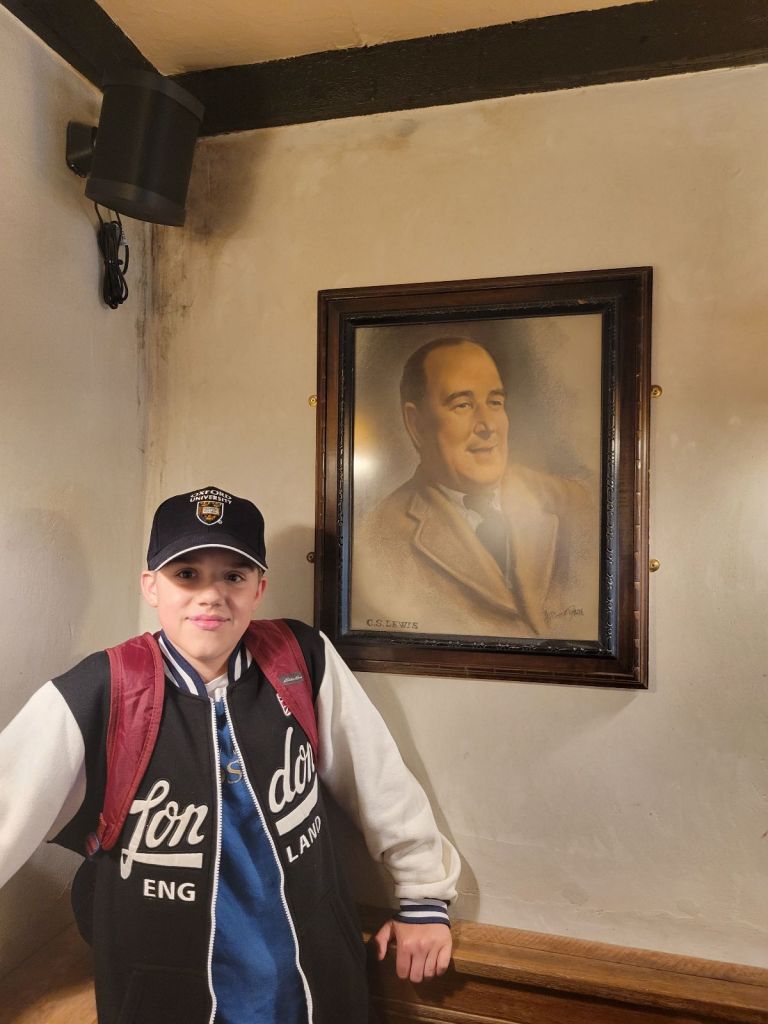
C.S. Lewis, also possibly the most famous Inkling, was born in 1898 in Belfast, Ireland. He changed his name from Clive Staples to Jack. His mother died when he was nine. He served in World War One, and after the war worked at Oxford and Cambridge University. After World War Two, he wrote many books such as The Chronicles of Narnia, The Screwtape Letters, The Space Trilogy, and Mere Christianity. He died of kidney failure at the age of sixty-four.
Charles Williams was born in London in 1886. He went to school at St. Alban’s, and he worked at Oxford University Press. He published and wrote many things like poetry, theology, drama, history, biography, and book reviews. He lived too far from Oxford to be a regular member of the Inklings at first, but after he moved there he became a regular member. He died in 1945.
Owen Barfield was born in London. He went to school at Highgate and attend Wadham College, Oxford. He had a degree in English language and literature. He was an author and a poet and was a founding father of a new spiritual movement. Barfield was known as “the first and last Inkling,” founding the club and living the longest. In fact, C.S. Lewis dedicated The Lion, the Witch, and the Wardrobe to his daughter, Lucy Barfield. Owen Barfield died in 1997 at the age of ninety-nine.
Henry Victor Dyson Dyson was born in 1896. He was commonly referred to as Hugo Dyson. He was an expert in Shakespeare, but he was not a very active writer himself. Together, he and Tolkien converted C.S. Lewis to Christianity. He died at the age of seventy-nine in 1975.
Christopher Tolkien, the son of J.R.R. Tolkien, was born in Leeds, England. He was ever the little editor of his father Tolkien’s works from a very young age, criticizing the book if was not consistent. During World War Two, he served in South Africa as a British air force pilot. After the war, he attended Trinity College, Oxford. He was invited by his father to become a member of the Inklings. After his father’s death, he was the owner of the Tolkien estate and the editor of all Tolkien’s left behind works.
Warren Lewis, C.S. Lewis’ brother, was born in 1895 in Belfast, Ireland. For his career, he was an army officer and Irish historian. He fought in both the World Wars. He published several history books. Warnie was sadly an alcoholic and died at the age of seventy-seven in 1973 at Oxford.
Adam Fox was born in 1883. He was the headmaster of Radley College for some time. In fact, he was one of the very first Inklings. He wrote an enormous poem across four volumes titled, “Old King Cole.” He attempted to greatly promote Plato among the classics. He met his end in 1977.
Dr. Robert Emlyn Havard was the doctor of C.S. Lewis, Lewis’ wife, and Tolkien. He wrote the appendix for C.S. Lewis’ book, The Problem of Pain. Like Tolkien, he was a devout Catholic. One day when he was late to the meeting, Warnie Lewis referred to him as “the useless quack.” Following this, his nickname became “the U.Q.” On another day, Hugo Dyson called Havard “Humphrey” as he could not recall his first name. From that point on, the others called him Dr. Humphrey. He died in 1985.
Lord David Cecil, another Inkling member, was born in 1902 in England. He developed his love for reading because of a medical operation that made him stay in bed for a long time. He studied Christ College, Oxford. His first book was The Stricken Deer in 1929. He then worked on writings about Walter Scott and Jane Austen. Mostly working in Oxford as a professor, he joined the Inklings and eventually died in 1986 at the age of eighty-three.
Nevill Coghill was born in 1899. He was a director of drama and an Anglo-Irish scholar. He studied at Exeter College. He also made a modern version The Canterbury Tales and of Shakespeare’s works. He died in 1980.
Jack A.W. Bennett was born in Auckland, New Zealand. He studied at the University of Auckland, and sometime after this, he moved to Oxford and studied and taught there. He was the best known scholar of Middle English and was a fellow of C.S. Lewis. He died in 1980.
Now you will never forget the Inklings and how they have influenced our world today.




 Inkling Investigation